Wood Painting in Lincoln
Lincoln Decorators are wood painters covering the city centre, the Cathedral Quarter and Bailgate, and the surrounding villages of Nettleham, Washingborough, Branston, Skellingthorpe, and Cherry Willingham.
What we cover:
- Interior woodwork stripped and repainted, including skirting and architraves
- Exterior timber joinery primed and finished in gloss or satin
- Hardwood stained and oiled to protect and enhance the grain
- Period joinery restored and repainted without losing original detail
- Exterior timber treated with preservative before painting
After hundreds of completed projects across Lincoln’s hillside Victorian properties and the lower city’s brick terraces, we understand what each half of this city demands from a decorator. Period joinery in Victorian terraces on Lindum Road, including skirting boards, dado rails, picture rails, and door architraves, often has many layers of oil-based paint built up over a century, causing surface cracking and poor adhesion if the build-up is not properly addressed before recoating.
Call 01522 457080 for a free quote.
Why Choose Lincoln Decorators
Wood Finish Experts
Oils, stains, and paints matched to timber species and exposure.
Clear Pricing
Fixed price from the first quote. No unexpected additions.
Fully Insured
Full public liability cover on every job.
Highly Recommended
Lincoln Decorators is recommended by homeowners across Lincoln.
Get My Free Quote
Speak to a local wood painting specialist today
Wood Painting Services
Interior Hardwood
Hardwood is used in period properties throughout the Cathedral Quarter and Bailgate for floor boards, staircases, and some fitted joinery. It is denser than softwood and requires more care to achieve a good finish.
Where hardwood joinery is being repainted rather than stripped to its natural finish, a specialist hardwood primer is used before the topcoat goes on. This gives the paint a firm surface to adhere to without the adhesion failure that can occur when a softwood primer is applied to dense, oily timbers like oak or teak.
Where clients want hardwood stripped back to a natural finish, whether the timber beneath the existing coats is in good condition before committing to the work are assessed. The result when done properly is exceptional.
Exterior Timber
Exterior timber across Lincoln faces a demanding range of conditions. Mild damp winters in the lower city, exposed cold winters on uphill properties, and UV exposure in summer all act on the paint film and the timber beneath.
Flexible oil-based or water-based alkyd gloss is used on exterior timber. These products are formulated to move with the timber as it expands and contracts. Standard interior paints used on exterior surfaces will crack within one or two seasons because they lack the flexibility to accommodate timber movement.
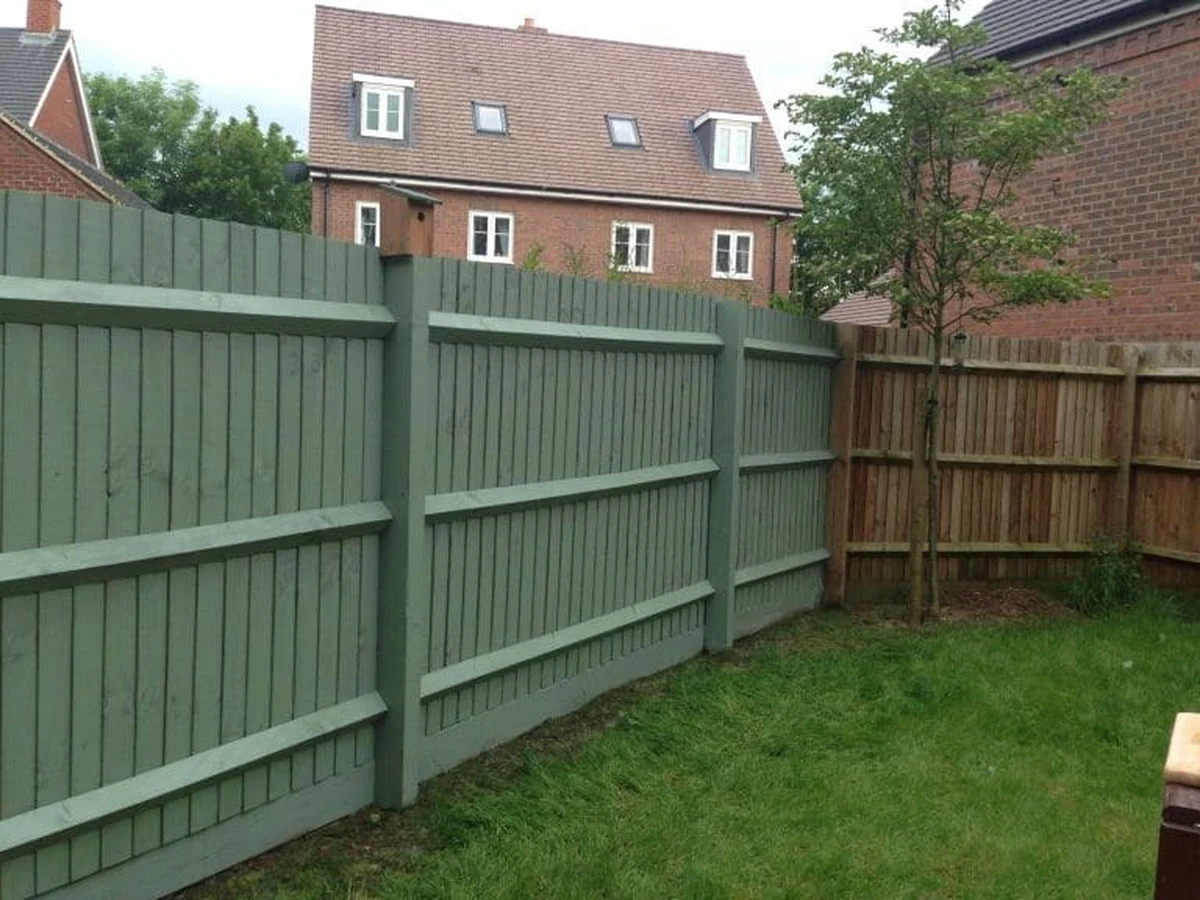
North and east-facing exterior timber on Lincoln properties typically needs repainting more often than south-facing surfaces. This applies equally to deck painting and all exposed joinery. We advise on the expected maintenance cycle at the quote stage so clients can plan accordingly.
Staining and Varnishing
Staining and varnishing is the appropriate finish where the grain of the timber is part of the appeal. This is common on hardwood staircases, bannisters, and fitted joinery in period properties where the original woodwork has been stripped.
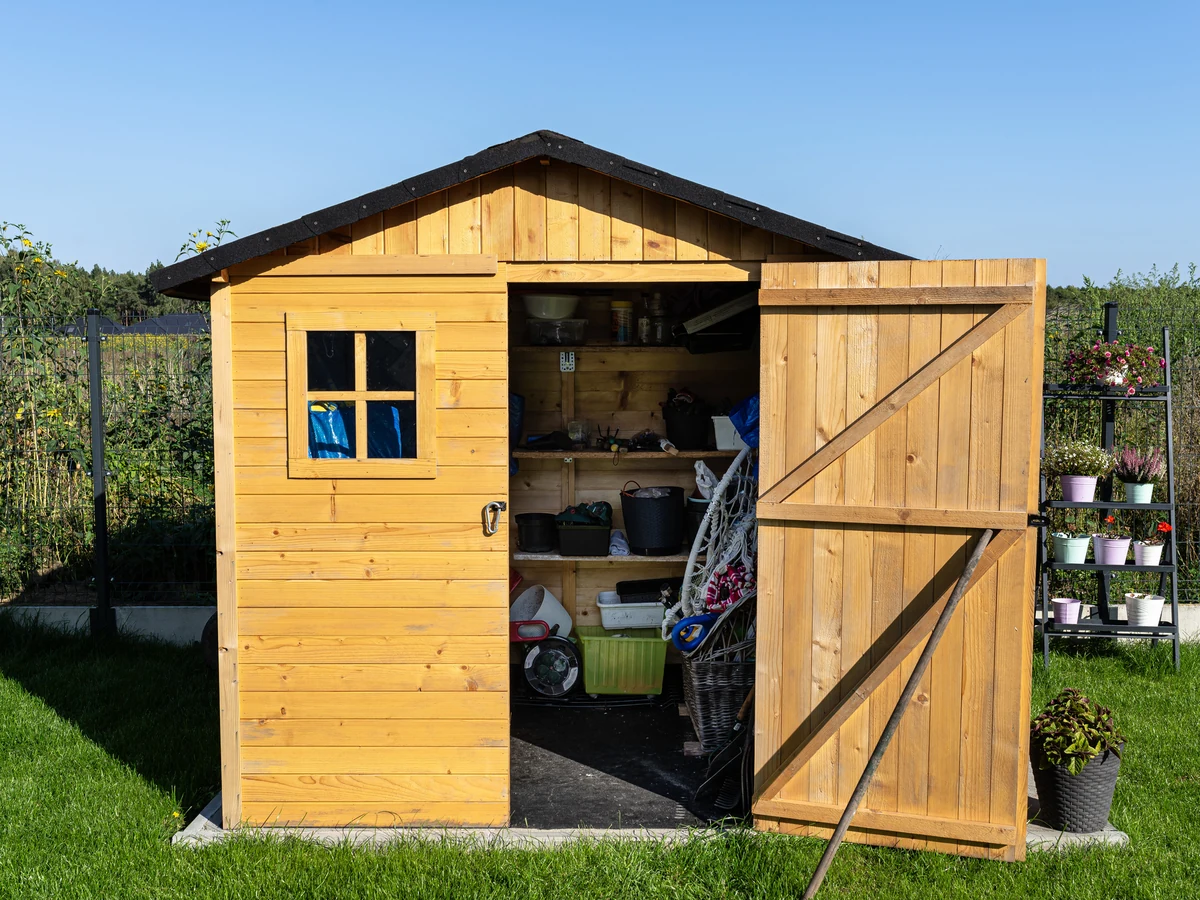
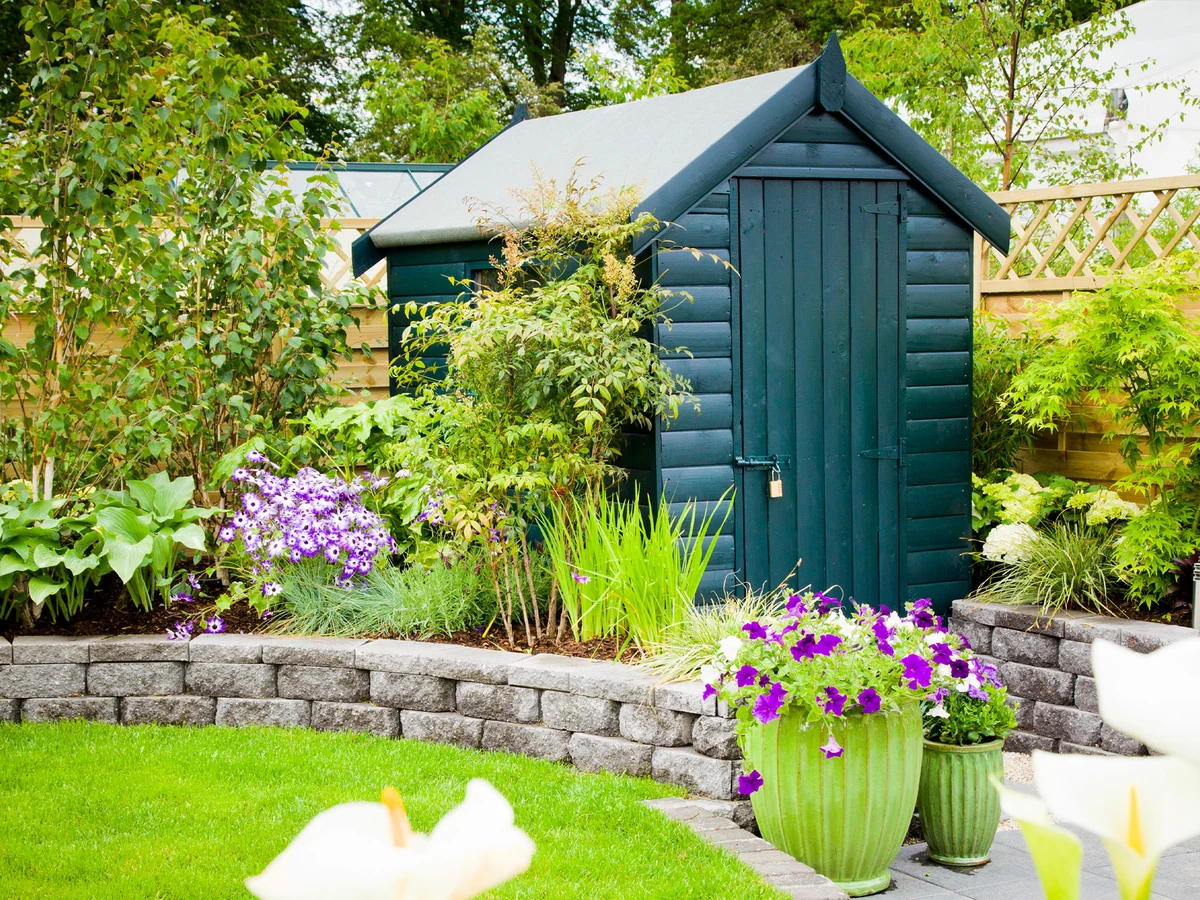
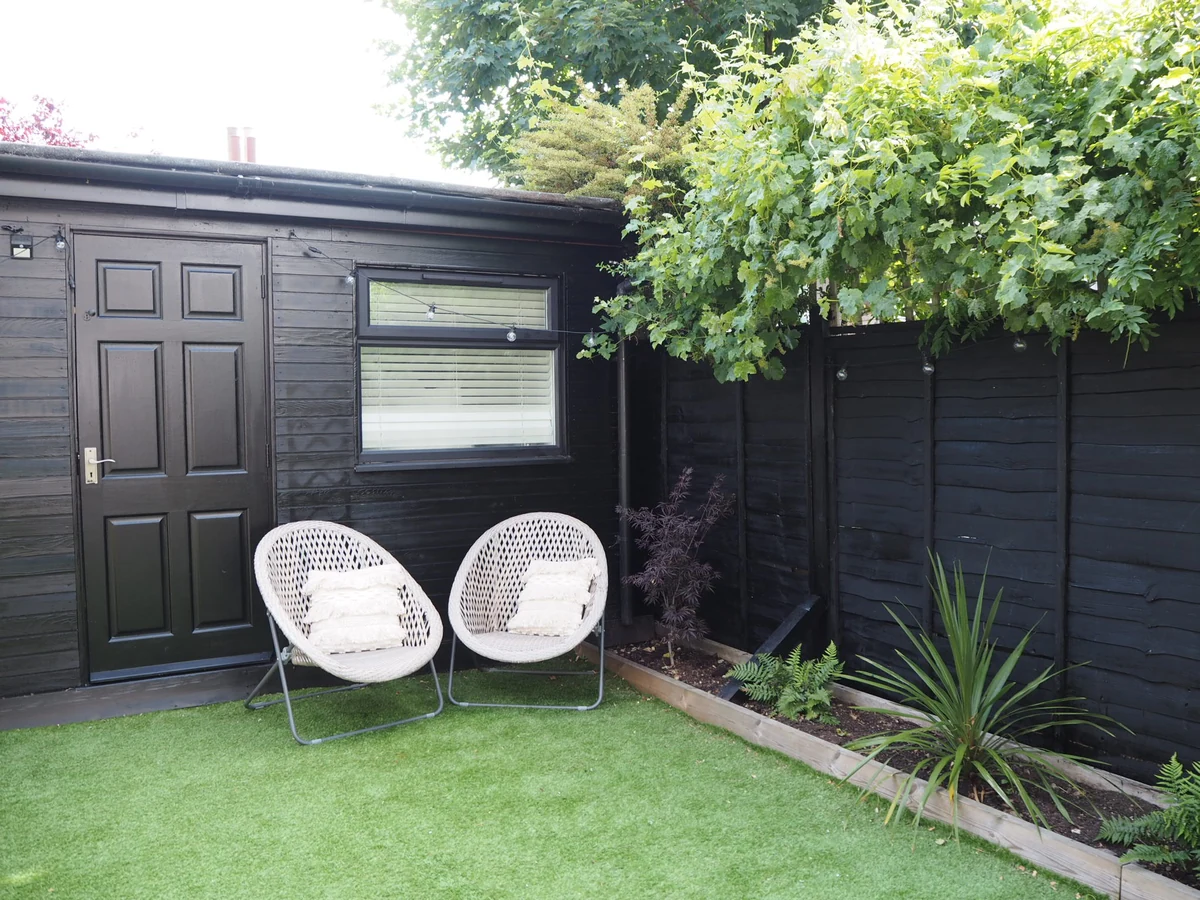
Exterior staining is also appropriate for hardwood garden joinery such as gates, planters, and furniture. Our fence painting and shed painting services use the same quality stains and preservatives. Hardwood stain penetrates the timber and feeds the grain without forming a surface film.
Stripping, Restoration and Bespoke Joinery
Stripping and Restoration
Stripping period joinery back to bare timber is one of the most satisfying parts of period property restoration work. Beneath decades of accumulated paint on Victorian skirting, dado rails, and window boards, there is often good quality original pine that cleans up very well.
The preparation required for stripping depends on the number of coats present and the profile of the moulding. Flat sections can be stripped mechanically with a scraper and heat gun. Intricate moulding on architraves and dado rail profiles requires chemical stripping to get the product into the detail without damaging the timber beneath.
We do not rush this stage. Stripping period joinery is slow, methodical work. The result when done properly is sharp, clean moulding lines that look as they were intended to look.
Bespoke Joinery
New bespoke joinery fitted in period or modern properties needs preparation and painting as part of the installation process. Raw timber joinery should always be primed on all faces before fitting, not just on the visible face. This includes doors, window frames, and fitted cabinetry.
For properties where bespoke joinery has been fitted without back-priming, your decorator assess what can be done retrospectively. In most cases, the visible surfaces can be primed and painted to a good standard. Where the rear face is genuinely inaccessible, a suitable primer is used on the visible surfaces with advice on moisture management.
For a complete interior decorating project that includes ceilings, walls, and all woodwork, see our interior painting and exterior painting pages for the full range of services available across Lincoln properties.
Here’s How It Works
1. Free Quote
Your decorator visits the property, assesses the woodwork, and give you a fixed written price before any work starts. Your decorator confirms whether stripping is required or whether a paint-over approach is suitable.
2. Preparation
We scrape, strip, sand, or fill as required. On period joinery with significant build-up, this stage takes the most time. It also determines the quality of the final finish.
3. Priming
All bare timber sections receive the correct specialist primer for the timber type and exposure. Interior softwood, exterior softwood, and hardwood all require different primers.
4. Top Coats
Two finish coats are applied, with full drying time between each coat. We work in good light and inspect for coverage before moving to the next section.
5. Completion
Your decorator inspects the finished surfaces in natural light, touch up any thin edges, and leaves the property tidy. Your decorator confirms the drying and hardening time for the specific products used.
Get My Free Quote
Get a free wood painting quote in Lincoln
Wood Painting Costs in Lincoln
Prices below are estimates only. Every property is different. Call 01522 457080 for a precise quote.
What Drives the Price
Wood painting costs in Lincoln range from around £300 for a single room’s skirting and architraves to £4,000 or more for a full period property repaint including all joinery. Three things drive the price: scope of the woodwork, preparation required, and whether the work is interior or exterior.
Typical Ranges
Single room skirting and architraves (semi in Bracebridge Heath or North Hykeham): £300 to £600. Full house interior woodwork (three-bed Victorian terrace): £2,200 to £3,500.
Period joinery stripped and repainted (Cathedral Quarter townhouse): £3,500 to £6,000+. Exterior timber joinery (Victorian terrace on Lindum Road): £1,200 to £2,500.
Trade insight. Addressing paint build-up on period skirting and architraves before it gets any worse is always the right call. The cost of stripping once and repriming properly is less than repeatedly repainting over a base that is already failing.
Wood Painting FAQs
Get My Free Quote
Fill in the form below for a free quote: